What Are the Different Types of Decorative Metal Grilles?
Decorative metal grilles come in several types, including expanded metal, perforated metal, and bar grating, each suited to different design and functional needs.
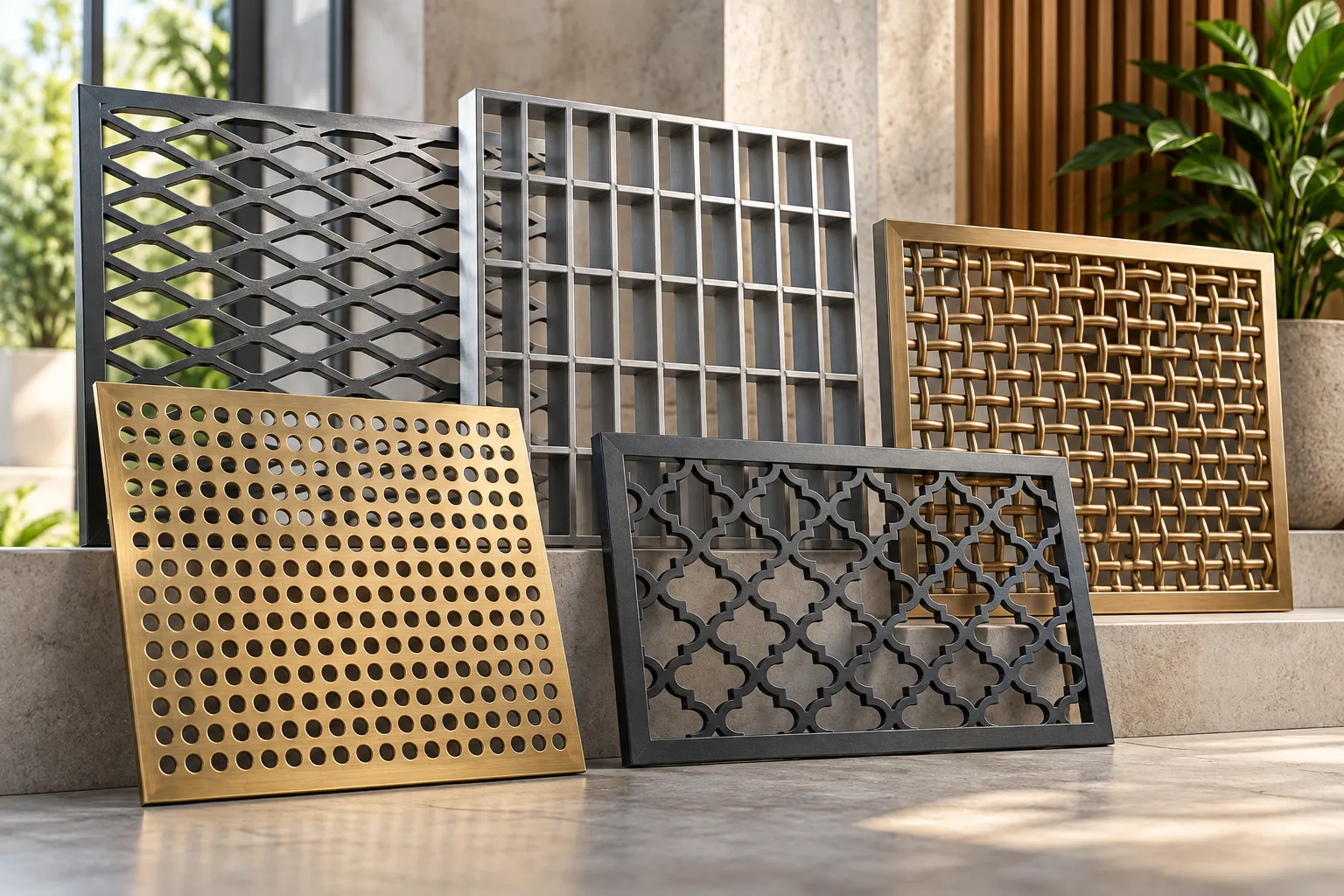
Decorative metal grilles combine ventilation, security, or screening with visual design. Each type is produced through a different manufacturing process affecting appearance, strength, openness, and best use. Main categories: expanded metal, perforated metal, bar grating, and woven or mesh-based patterns, in materials from mild steel and aluminium to brass, copper, and stainless steel.
Specialist suppliers such as AMMS Global produce these grilles in standard patterns and custom sizes, drawing on materials and manufacturing processes suited to each application. The right choice depends on the balance between airflow, visibility, load-bearing capacity, and visual character.
Choosing a Grille Type by Application
Grille Type | Typical Applications | Key Strength | Common Materials |
Expanded metal | Radiator covers, security screens, machine guards | One-piece strength, no waste | Mild steel, aluminium |
Perforated metal | Decorative wall panels, cabinet doors, acoustic screens | Pattern precision, clean look | Stainless steel, brass, copper |
Bar grating | Floor grilles, walkways, heavy-duty covers | High load capacity | Steel, aluminium, fiberglass |
Woven or mesh | Cabinet infill, radiator grilles, furniture panels | Fine texture, flexibility | Brass, stainless steel, aluminium |
Expanded Metal Grilles
Expanded metal is made by slitting and stretching a solid sheet, creating diamond-shaped openings without scrap. The sheet becomes stronger than the original flat metal because strands form in one continuous piece. This is a well-established manufacturing method used across construction and industrial design.
Standard Expanded Metal keeps the raised, slightly textured surface created during stretching. It is the most common choice for radiator covers, security enclosures, and machine guarding where the three-dimensional surface is acceptable or desirable. Flattened Expanded Metal is passed through rollers after expansion, producing a smoother, flatter sheet easier to handle and often preferred for decorative radiator grilles and furniture panels.
An expanded metal grill works well where you need strength, airflow, and some visual screening. Diamond openings can be specified in different sizes, and metal thickness affects rigidity and light passage.
Perforated Metal Grilles
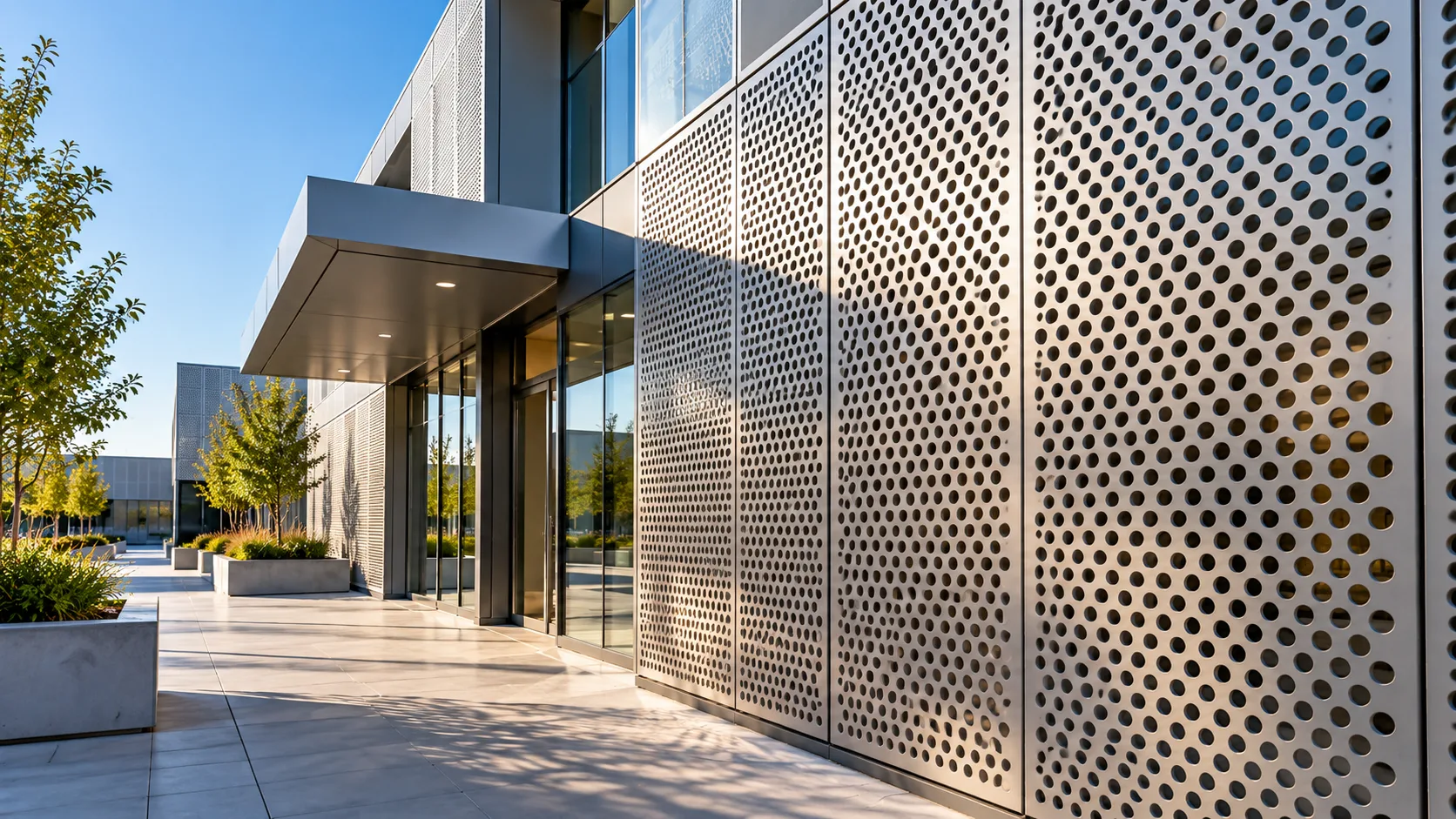
Perforated metal is produced by punching holes into a solid sheet using a patterned die. The process allows precise control over hole size, spacing, and arrangement, making it preferred when the pattern itself is the design feature.
Round Hole Perforated sheet is the most widely available and economical choice, with holes in straight or staggered rows. Staggered layouts typically offer more open area for the same hole size, which matters for ventilation. Decorative perforated sheet metal can also be produced with square, slot, hexagonal, or custom-shaped openings, and some suppliers offer laser-cut patterns for fully bespoke designs.
Perforated metal grilles are common in radiator covers, cabinet doors, room dividers, and acoustic wall panels. The clean, flat surface suits contemporary interiors, and materials like brass, copper, and zinc can be patinated or aged for a traditional look. Metals Sheets Ltd, for example, offers aged brass, aged copper, and blackened steel finishes specifically for decorative grille projects.
Bar Grating
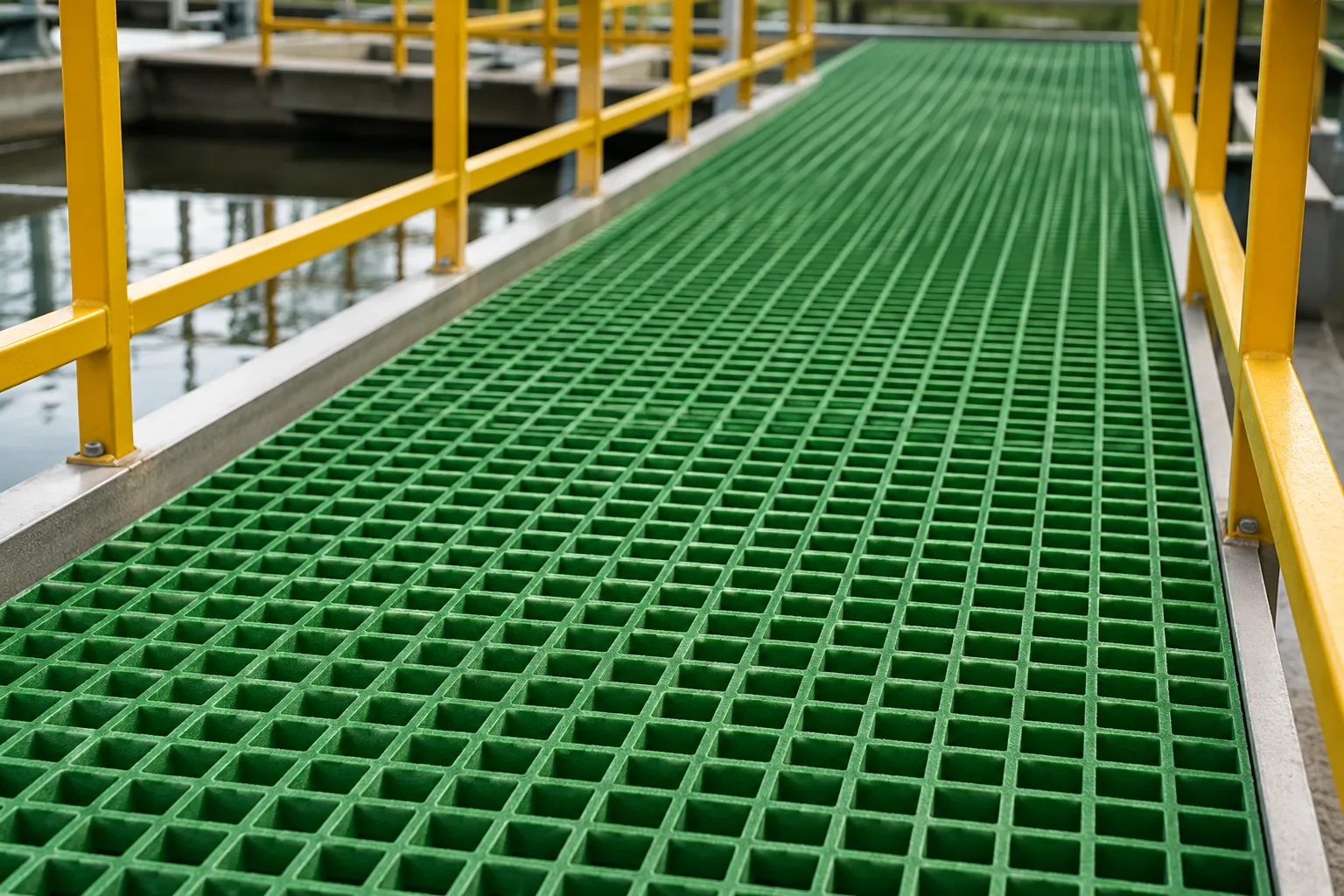
Bar Grating is a load-bearing product made from parallel bearing bars connected by cross rods or formed in a single pressing operation. It is the heavy-duty option among decorative grilles and is used where foot traffic, vehicle loads, or significant spans are involved.
Welded Bar Grating is manufactured by welding cross bars to the bearing bars at each intersection, producing a rigid panel with excellent strength-to-weight characteristics. It is commonly specified for floor grilles, mezzanine walkways, trench covers, and industrial platforms where appearance matters but performance is non-negotiable.
Aluminium Bar Grating offers corrosion resistance and lighter weight than steel, making it easier to handle and install in architectural settings. Stainless Steel Grating provides both strength and corrosion resistance, which suits food processing areas, swimming pools, and marine environments where hygiene and durability are critical. Fiberglass Grating is a non-metallic alternative that provides electrical insulation and chemical resistance, often used where metal would corrode or where non-conductivity is a safety requirement.
Woven, Mesh, and Custom Patterns
Beyond the three main manufacturing categories, decorative grilles can be produced as woven wire mesh, crimped mesh, or hand-made interwoven patterns. Fine Mesh Metals supplies regency diamond, crimped mesh, and hand-made interwoven options alongside more standard patterned sheets. These are often used in furniture, cabinet doors, and radiator covers where a finer, more textile-like texture is wanted.
Decorative security grilles for windows represent a specific functional category where the grille must deter entry while still allowing light and ventilation. These are typically made from expanded metal or welded bar designs, often powder-coated black or finished to match window frames. The security function does not have to compromise the visual result: a well-chosen pattern can read as an architectural feature rather than a defensive barrier.
Materials and Finishes
Material choice affects both appearance and longevity. Mild steel is the most economical option and can be powder-coated in any colour, which is why black powder-coated grilles are popular for radiator covers and window screens. Aluminium is lighter and naturally corrosion-resistant, making it suitable for exterior applications or where weight is a concern. Stainless steel offers a bright, modern finish with excellent durability, while brass and copper bring warmth and can be aged, burnished, or patinated for period properties and hospitality interiors.
When ordering custom grilles, the practical details matter. Suppliers like Metals Sheets Ltd can cut grilles to fit existing openings, which avoids the need to modify surrounding joinery or masonry. It is worth confirming the overall panel size, the margin required for fixing, and whether the edges need to be framed or left raw. For radiator covers, the grille pattern should provide enough open area to let heat into the room, not just look good.
Common Mistakes to Avoid
One frequent error is choosing a pattern for its appearance without checking the open area percentage. A highly decorative pattern can block too much airflow, reducing radiator output or making a room feel stuffy. Another mistake is specifying a material that cannot be finished the way you want: mild steel rusts if left uncoated, while some powder-coated finishes are not suitable for exterior use. Finally, it is easy to overlook edge treatment. Raw expanded metal edges can be sharp, so specify a folded edge, frame, or flattened border where the grille will be handled or installed in a domestic setting.
For a specific project, the quickest way to move forward is to request samples of two or three patterns in the intended material, then check them in situ against the actual opening, lighting, and surrounding finishes. If you need a quotation for a custom decorative grille, contact AMMS Global with your dimensions, material preference, and pattern choice.