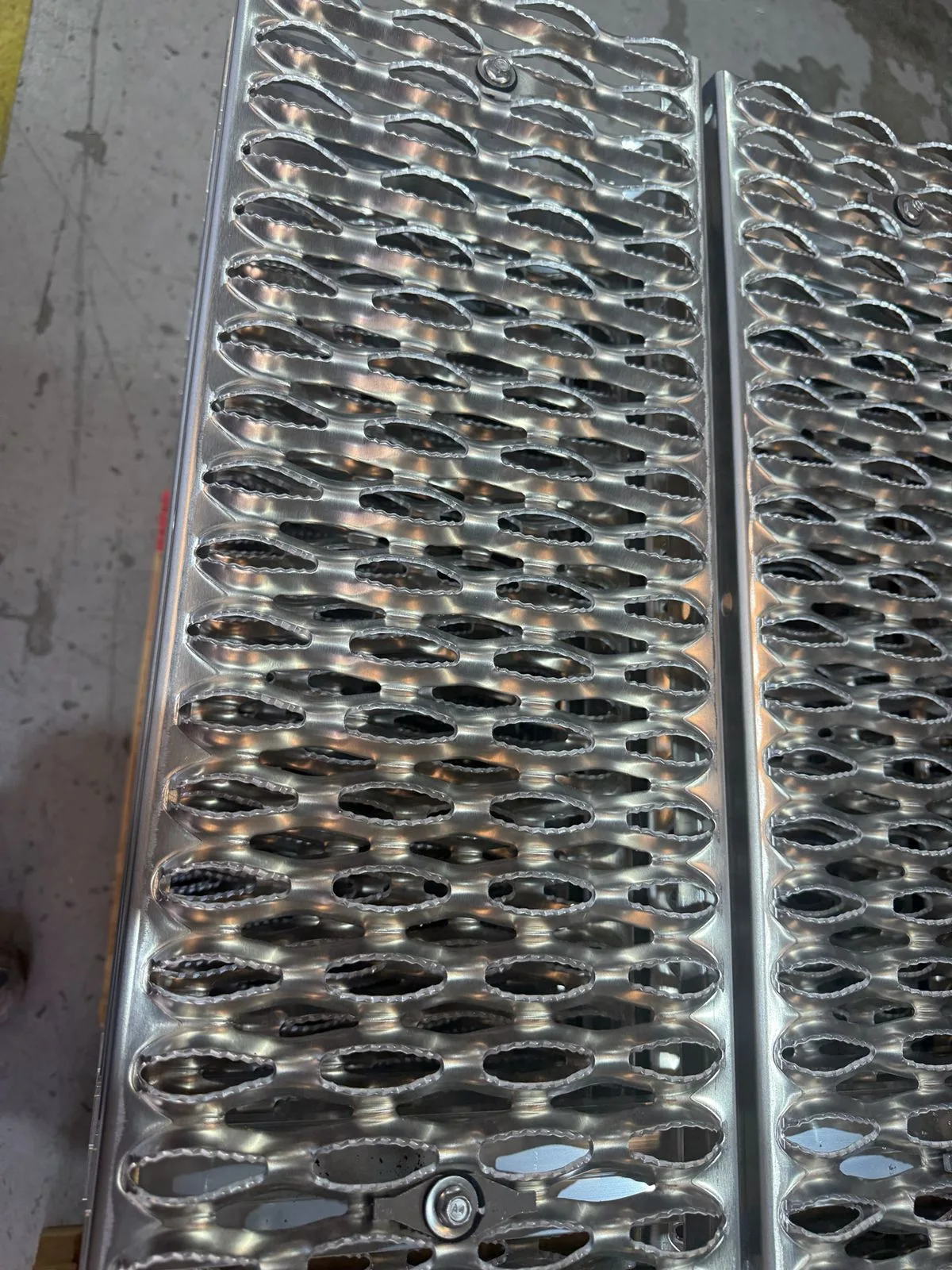
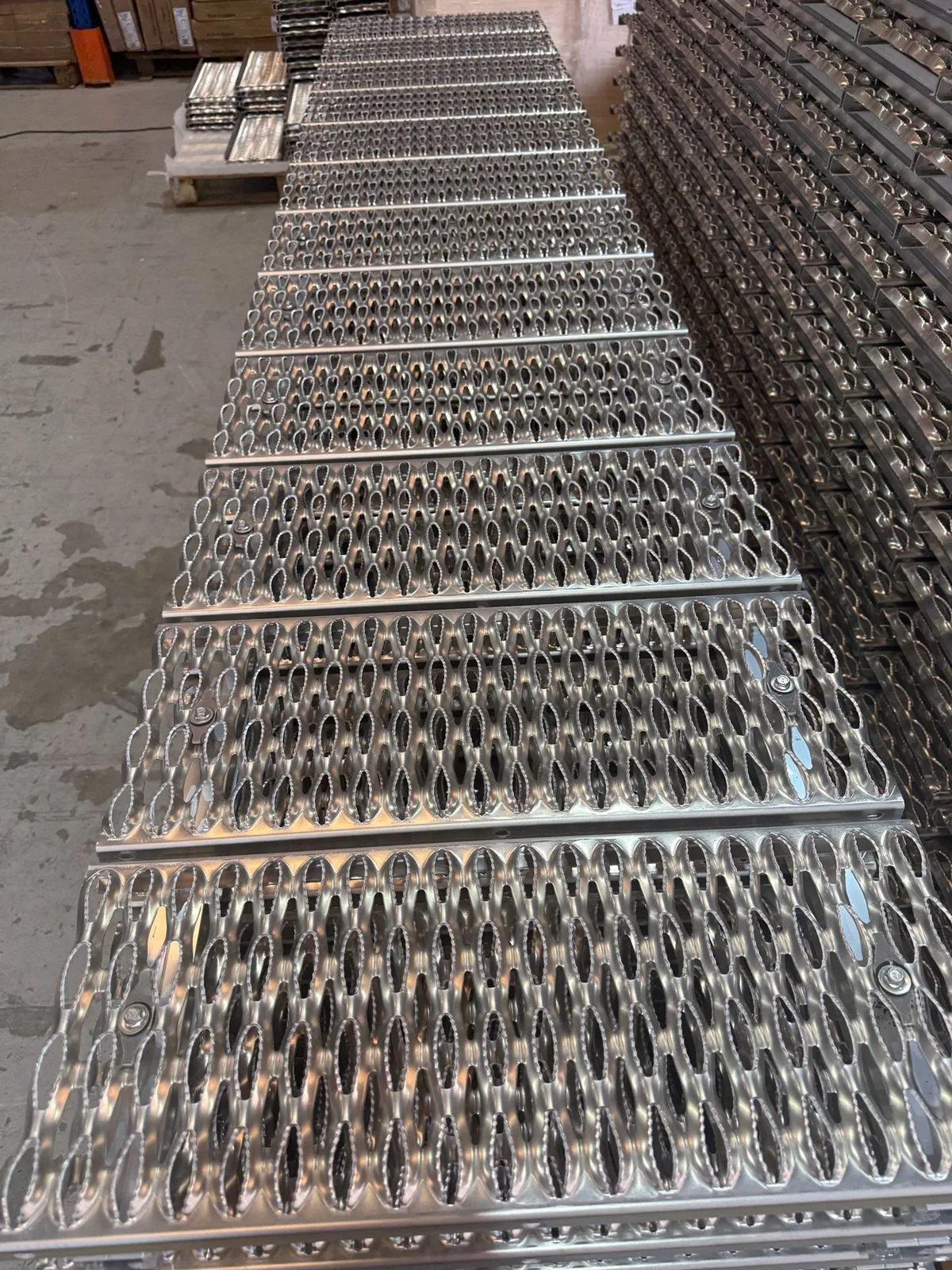
Need a metal component that doesn't come in the size you need? That's where custom fabrication makes sense. AMMS Global cuts, welds, galvanizes, and assembles metal components around your project requirements rather than asking you to make a standard product fit.
We work with drawings, dimensions, specifications, and project requirements for industrial and construction applications. If you need a few replacement parts or a larger batch of fabricated components, send us what you have and we'll work from there.
What Is Custom Fabrication, Exactly?
Custom fabrication is simply making a metal part for a particular job instead of pulling a standard size from a catalogue.
You might need a bracket that has to line up with an existing structure. A frame might need a particular width and hole pattern. Or you may have an old component that needs to be replaced with something made to the same dimensions.
Depending on the job, fabrication can involve cutting, drilling, forming, welding, joining, and finishing. Several individual pieces can also be fabricated and assembled into one finished component.
The point is straightforward: the finished part is made around the requirements of the project.
What Can We Custom Fabricate?
Not every fabrication job starts with a perfect engineering drawing. Sometimes all you have is a sketch, a few measurements, or a photo of the part you're trying to replace.
We can work from the information available and establish what else is needed before production.
Typical custom fabrication work includes:
Cut-to-size metal components
Welded frames and assemblies
Custom brackets and supports
Metal panels and covers
Equipment guards and protective components
Custom grating and access components
Replacement industrial parts
Bespoke structural components
Multi-part fabricated assemblies
If the component needs to fit around existing equipment or structure, dimensions and fixing details are particularly important. A few extra measurements at the start can save a lot of adjustment later.
How Does Custom Fabrication Work?
A custom fabrication project usually starts with the information you already have.
That might be a CAD drawing, engineering specification, marked-up PDF, hand sketch, dimensions, or even an existing part that needs to be reproduced.
From there, the work can include several different stages depending on what you're ordering.
Stage | What happens |
Requirements | Drawings, dimensions, material, quantity, and application are reviewed |
Material | The required metal type and thickness are established |
Cutting | Material is cut to the required shape and dimensions |
Fabrication | Parts are drilled, formed, welded, or joined as required |
Finishing | Galvanizing or another specified finish is applied |
Assembly | Individual fabricated parts are assembled where required |
Inspection | Finished components are checked against the agreed requirements |
Dispatch | Completed parts are prepared for delivery |
A simple cut-to-size order won't need all of these steps. A fabricated frame or multi-part assembly might.
Why Use Custom Metal Fabrication?
Sometimes the standard product is almost right. Almost isn't particularly useful when the part has to bolt onto an existing structure.
Custom fabrication lets you specify the details that actually matter:
Exact dimensions instead of standard catalogue sizes
Specific material and thickness
Custom holes, slots, and cut-outs
Welded joints and assemblies
Components made to match existing structures
Galvanizing or other specified finishes
Replacement parts made from existing dimensions
Small quantities or larger production requirements
It can also reduce work on site. Instead of ordering a standard component and cutting or modifying it after delivery, the finished part can arrive ready for its intended application.
What Do You Need to Send for a Quote?
You don't need to have every fabrication detail figured out before contacting us. But the more useful information you can provide, the easier it is to understand the job and price it properly.
The basics are:
Drawing or sketch: A CAD drawing is ideal, but a marked-up PDF or clear sketch can work as a starting point.
Dimensions: Include overall dimensions, thickness, holes, bends, and other important measurements.
Material: Steel, stainless steel, aluminum, or another specified material.
Quantity: Tell us how many pieces or assemblies you require.
Finish: Include galvanizing, coating, or other finishing requirements.
Application: Tell us where the component will be used and what it needs to do.
Have an existing component instead of a drawing? Send the dimensions and photos. That gives us something to work from before we come back with questions.
Why Choose AMMS Global for Custom Fabrication?
AMMS Global provides custom fabrication for customers who need components made around an actual project rather than selected from a fixed catalogue.
Our capabilities include cut-to-size work, welding, galvanizing, and bespoke metal assemblies. We can work from your drawings and specifications and discuss the practical details where the requirements aren't fully defined.
Whether you need a replacement bracket, a fabricated frame, custom sheet metal components, or a larger batch of industrial parts, we'll work from the requirements of the job.
Common Questions
1. What is the meaning of custom fabrication?
Custom fabrication means making a metal component specifically around a customer's requirements rather than supplying a standard product. The dimensions, material, thickness, holes, shape, welds, and finish can all be specified according to the application.
2. How much does custom fabrication cost?
There isn't a fixed price for custom fabrication. The cost depends on the material, dimensions, thickness, quantity, cutting, welding, finishing, assembly, and other work involved. A simple cut-to-size part will cost much less than a multi-part welded assembly. The easiest way to get an accurate price is to send the drawing or dimensions along with the quantity required.
3. How is fabrication done?
Fabrication can involve several processes depending on the component. Metal may be cut, drilled, formed, welded, assembled, and finished before it is delivered. A simple component may only require cutting and drilling, while a larger assembly can go through several fabrication stages.