What Are the Benefits of Galvanised Steel Grating?
Galvanised steel grating offers strength, corrosion resistance, slip protection, and low maintenance, making it a durable and cost-effective choice for industrial and commercial applications.
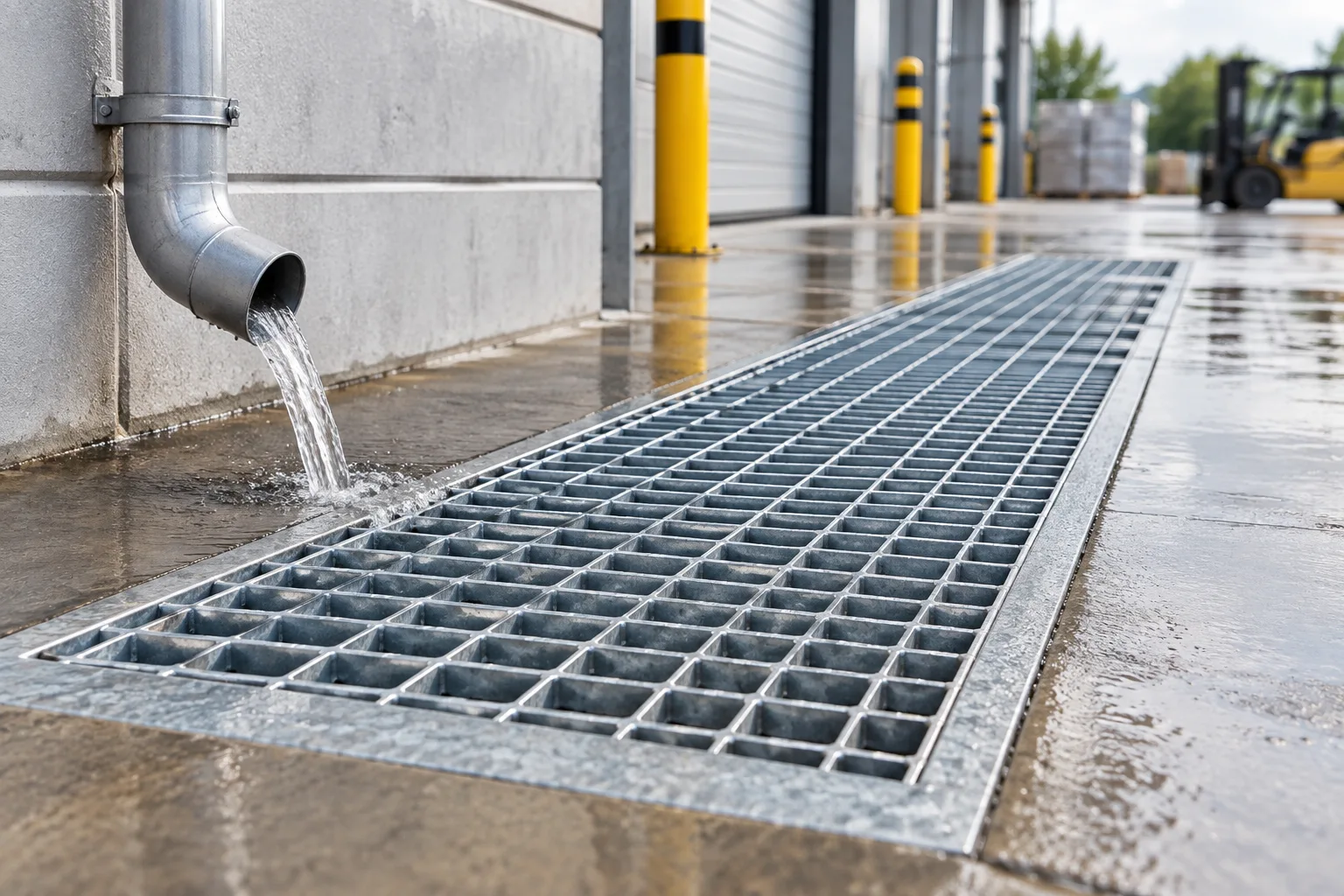
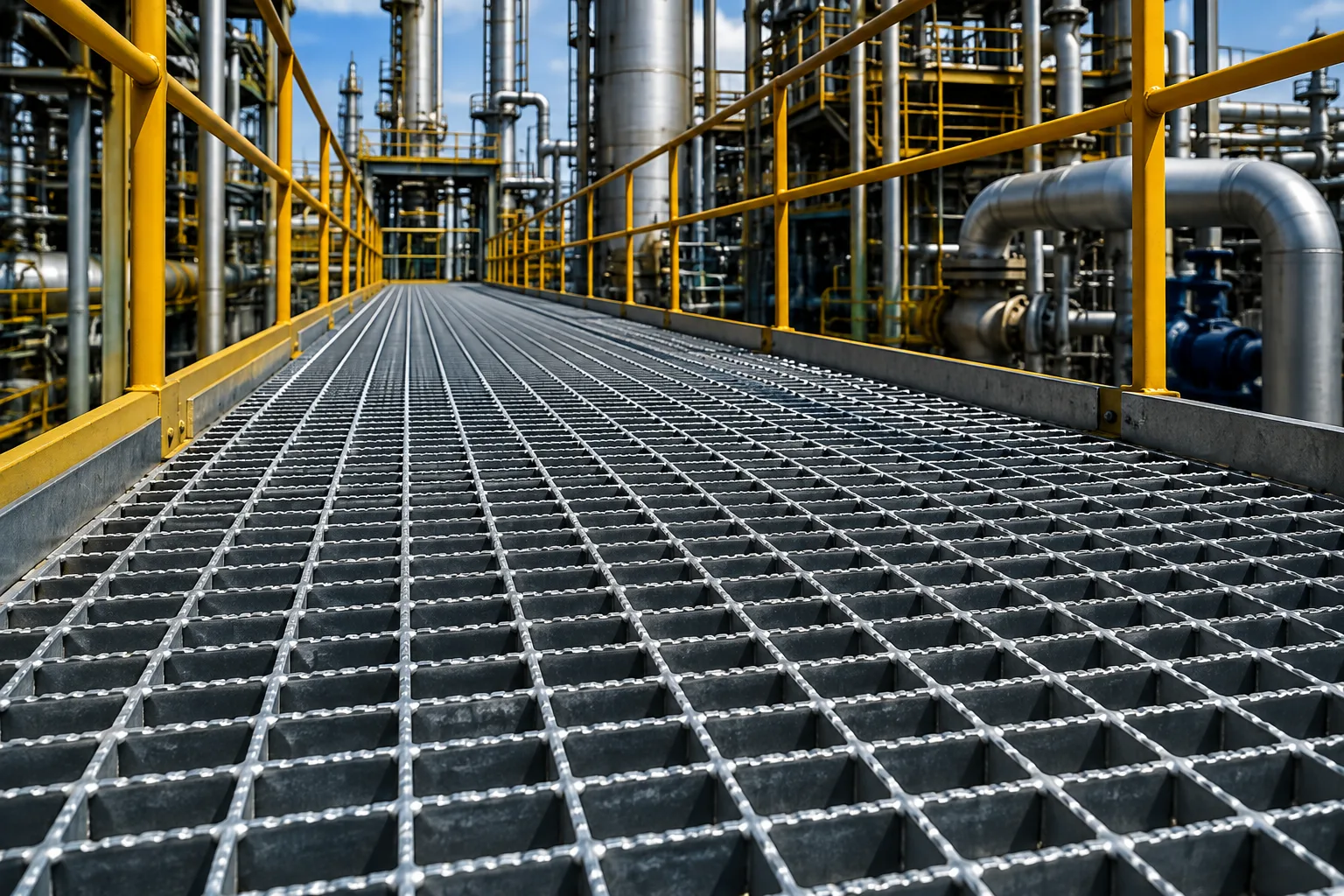
Galvanised steel grating offers a combination of strength, corrosion resistance, slip protection, and low maintenance that makes it the default choice for walkways, drainage covers, platforms, and stair treads in industrial and commercial settings. The galvanising process bonds a zinc layer to the carbon steel core, so the grating resists rust in wet, outdoor, and coastal environments while retaining the load-bearing capacity of steel. Suppliers such as AMMS Global stock this material in standard and custom panel sizes, and it remains one of the most cost-effective options when lifetime value is weighed against initial outlay.
Where Galvanised Steel Grating Earns Its Keep
The practical appeal comes down to five properties. First, the open mesh design allows water, debris, light, and air to pass through, which reduces standing water and wind loading. Second, the serrated or twisted bar surface provides grip underfoot, even when wet or oily. Third, hot-dip galvanizing coats every surface, including cut edges and weld points, so protection is not just cosmetic. Fourth, the panels are self-draining and quick to inspect, which cuts maintenance time. Fifth, the material is widely available from UK builders merchants and drainage specialists, often with free cutting to size and next-day delivery options.
A common comparison point is stainless steel. Stainless Steel Grating resists corrosion through its alloy content rather than a coating, which makes it preferable in food processing, chemical, and marine environments. Yet it carries a higher material cost and is not always necessary for general outdoor use. Galvanised steel sits in the middle ground: stronger and cheaper than aluminium, more corrosion-resistant than uncoated mild steel, and less expensive than stainless.
Galvanising and Rust Resistance
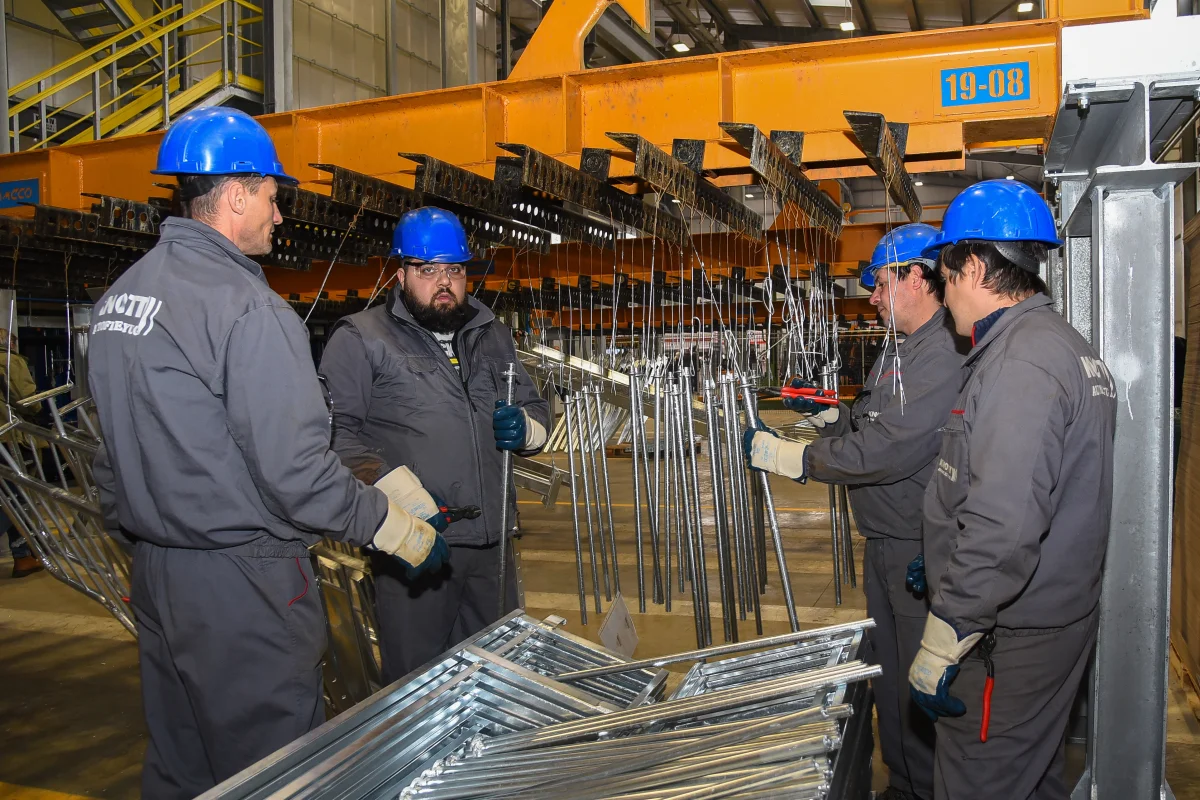
Hot-Dip Galvanizing involves immersing fabricated steel grating in molten zinc. The zinc metallurgically bonds to the steel, forming a series of alloy layers that are harder than the base steel itself. This is different from paint, which sits on the surface and can chip. When the coating is scratched, the surrounding zinc corrodes sacrificially, protecting the exposed steel underneath. That is why galvanised steel does not rust in the same way as untreated steel, though the zinc layer will eventually weather over decades in aggressive environments.
The answer to whether galvanised steel is rust-proof is nuanced. It is highly rust-resistant, but not permanently rust-proof. In continuously wet, acidic, or chloride-heavy conditions, the zinc layer will slowly sacrifice itself. For most UK outdoor applications, a well-galvanised panel will last for decades before the base steel is at risk.
Types and Alternatives Compared
Steel grating is not a single product. The table below sets out the main options side by side.
Material | Corrosion Resistance | Typical Load Use | Common Applications |
Galvanised carbon steel | High for outdoor use | Heavy duty, vehicular | Walkways, drainage covers, platforms |
Stainless steel | Excellent, including chemical | Heavy duty | Food plants, marine, pharmaceutical |
Aluminium | Good, naturally corrosion-resistant | Light to medium | Ramps, decorative grilles, offshore |
Fiberglass (FRP) | Excellent, non-conductive | Light to medium | Chemical plants, electrical areas |
Aluminium Bar Grating is lighter and easier to handle, but it has a lower modulus of elasticity, so it deflects more under the same load. Fiberglass Grating, including FRP Molded Grating and FRP Pultruded Grating, is non-conductive and corrosion-proof, but it costs more and cannot match steel for stiffness or impact resistance. Bar Grating, the classic welded or press-locked steel product, remains the workhorse for heavy industrial traffic.
What Experienced Buyers Check
The specification details determine whether a panel performs. Load rating is the first thing to confirm, usually expressed as a vehicle or pedestrian class such as A15 or B125 for drainage gratings. Bearing bar depth and pitch affect both strength and weight. A deeper bar spans further without intermediate supports. Serrated surfaces improve grip but can retain more debris. Plain surfaces are easier to clean.
Edge treatment matters more than it seems. Untrimmed ends expose the bar profile and can be sharp. Banded or trimmed edges give a clean finish and add stiffness. Cut-outs and penetrations should be specified before galvanising, because cutting after coating removes the zinc protection. Any site cutting should be touched up with a zinc-rich repair product.
One mistake is assuming all galvanised grating is the same. Coating thickness varies with steel section and galvanising standard. Thicker bars hold more zinc. Another mistake is specifying a panel solely on price per square metre without checking load class, because a cheaper panel may need extra support steelwork that erases the saving.
Making a Sound Choice
Start by defining the maximum load, the support spacing, and the exposure conditions. Then compare galvanised steel against the alternatives only where the environment genuinely demands it. For most outdoor walkways, drainage channels, and industrial platforms, galvanised steel grating is the balanced, practical option. For chemical or marine exposure, Stainless Steel Grating or FRP products may be worth the higher cost. For lightweight access or decorative work, Aluminium Bar Grating can be the better fit.
If you are ready to specify panels for a current project, request a quote with the load class, panel dimensions, and surface finish clearly stated, so the pricing reflects what the installation actually needs.