What Are the Types of Expanded Metal Used in Industrial Applications?
Not sure which types of expanded metal fit your project? Compare standard, flattened, and grating to find the right one.
Somebody specs the wrong expanded metal more often than you'd think. Not because it's complicated exactly, there's really only a handful of types, but because the names sound close enough to each other that people grab whatever's cheapest instead of what actually fits the job. Standard versus flattened versus grating isn't just a texture difference, it changes load capacity, slip resistance, and whether the panel survives five years or twenty. At AMMS Global we fabricate all three, so here's the breakdown we usually walk buyers through before they order.
What Are the Types of Expanded Metal?
There are three main types of expanded metal used in industrial applications: standard (raised), flattened, and grating. Standard has a raised, angled diamond pattern for traction and airflow. Flattened is standard metal passed through rollers for a smooth, level surface. Grating is a heavier-gauge version built for load-bearing floors and platforms.
Each one is made from the same base process, cutting and stretching a metal sheet, but the finishing step changes what it's good for.
Standard (Raised) Expanded Metal
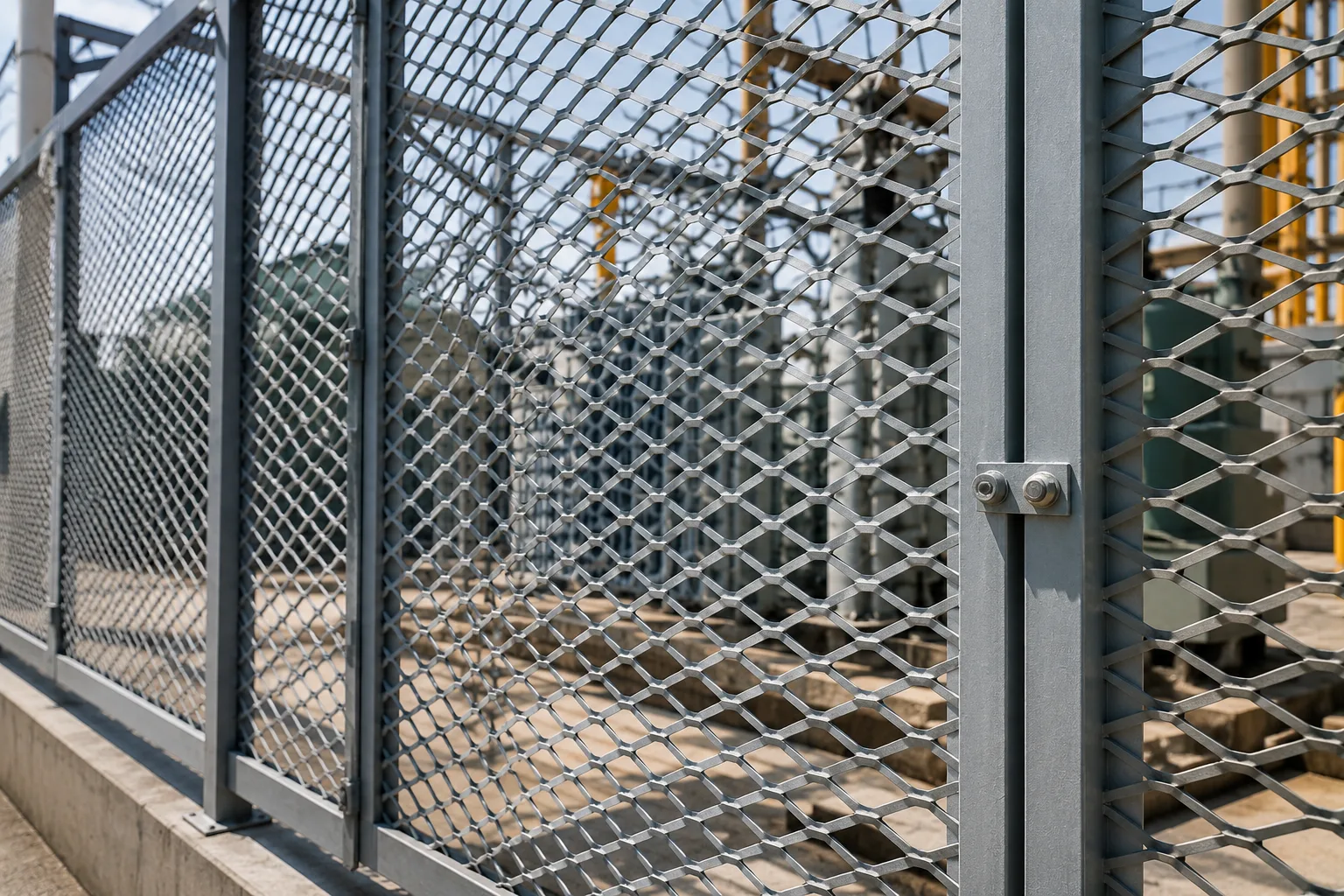
This is the default version, and probably what most people picture when they hear "expanded metal." The diamond openings sit at an angle to the sheet, which does two things at once, gives it a naturally slip-resistant surface and lets air, light, and sound pass through freely. That combination is why it shows up in security fencing, machine guarding, and ventilation covers.
Flattened Expanded Metal
Take standard expanded metal and roll it flat, and you get flattened expanded metal. The process stretches the sheet slightly wider and reduces its thickness, leaving a smoother, more even surface. It loses a bit of that natural grip standard has, but it welds cleaner and looks tidier, which is why it tends to get specified for filtration screens, machine guards, and anywhere the panel needs a flat surface to sit flush against something else.
Expanded Metal Grating
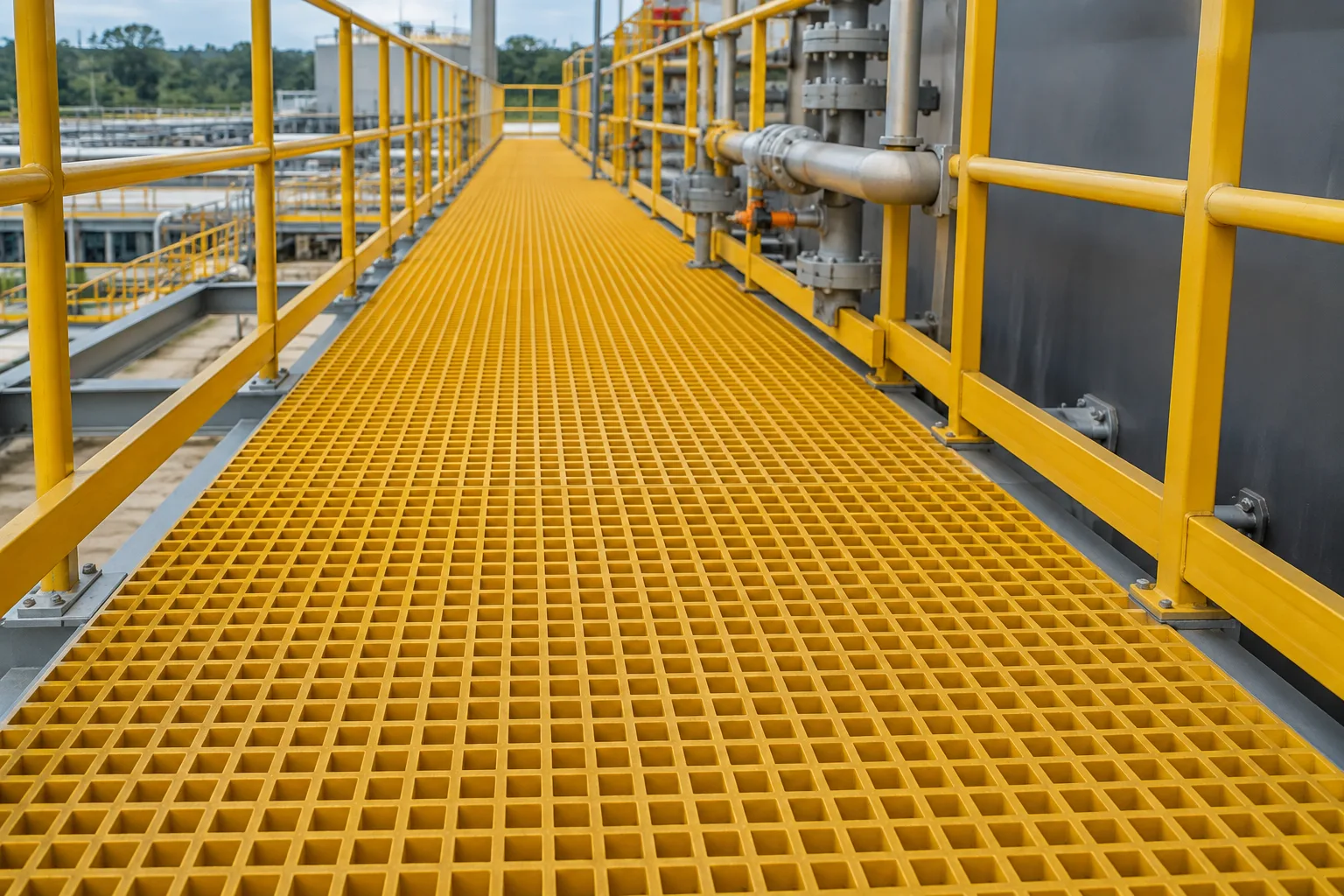
Grating is the heavy-duty end of the spectrum. Thicker strands, bigger openings, made to actually carry weight rather than just filter or screen something. If the application involves foot traffic, equipment, or anything load-bearing, walkways, catwalks, stair treads, this is usually the type that gets specified, not standard or flattened.
Aluminum vs. Steel Expanded Metal
Factor | Aluminum | Steel |
Weight | Lighter, easier to handle and install | Heavier, more rigid |
Corrosion resistance | Naturally resistant, no coating needed | Needs galvanizing or stainless grade to resist rust |
Cost | Higher material cost, lower install/labor cost | Lower material cost, higher long-term maintenance in harsh environments |
Best for | Coastal sites, architectural elements, weight-sensitive applications | Structural flooring, heavy load applications, cost-driven projects |
Neither one is universally "better," it depends on the environment. Humid or coastal sites usually lean aluminum. Heavy structural loads usually lean steel, often galvanized or stainless depending on exposure.
Matching the Type to Your Application
Type | Best for | Common industries |
Standard | Fencing, guarding, ventilation | Construction, Power Generation |
Flattened | Filtration, decorative panels, flush-mount uses | Food Processing, architectural fit-outs |
Grating | Walkways, catwalks, platforms | Oil & Gas, Marine & Offshore, Water & Wastewater |
If you're not sure which type or material fits your project, our Expanded Metal range covers all three, and it's usually faster to just walk through the application with someone than guess from a spec sheet.
Not sure which expanded metal type fits your project? AMMS Global manufactures ISO 9001-certified expanded metal in standard, flattened, and grating types, in aluminum and steel, exported to 40+ countries. Request a quote, or compare against our Bar Grating, Perforated Metal, and Stair Treads product lines.