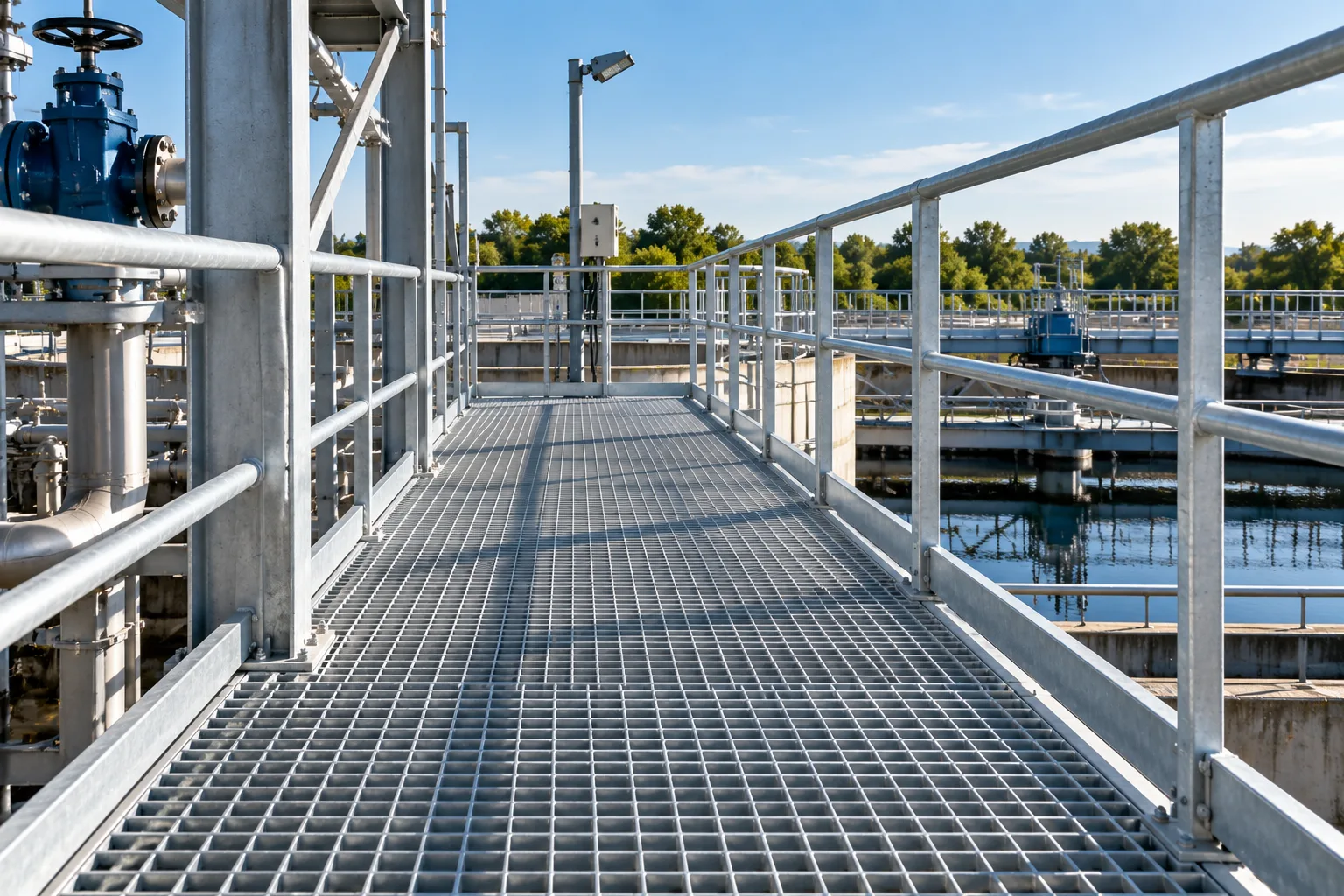
What Is the Best Metal Grate for Decking in the USA?
The best metal grate for decking depends on load, exposure and slip risk, with bar grating, fiberglass and grip strut each suited to different decks.
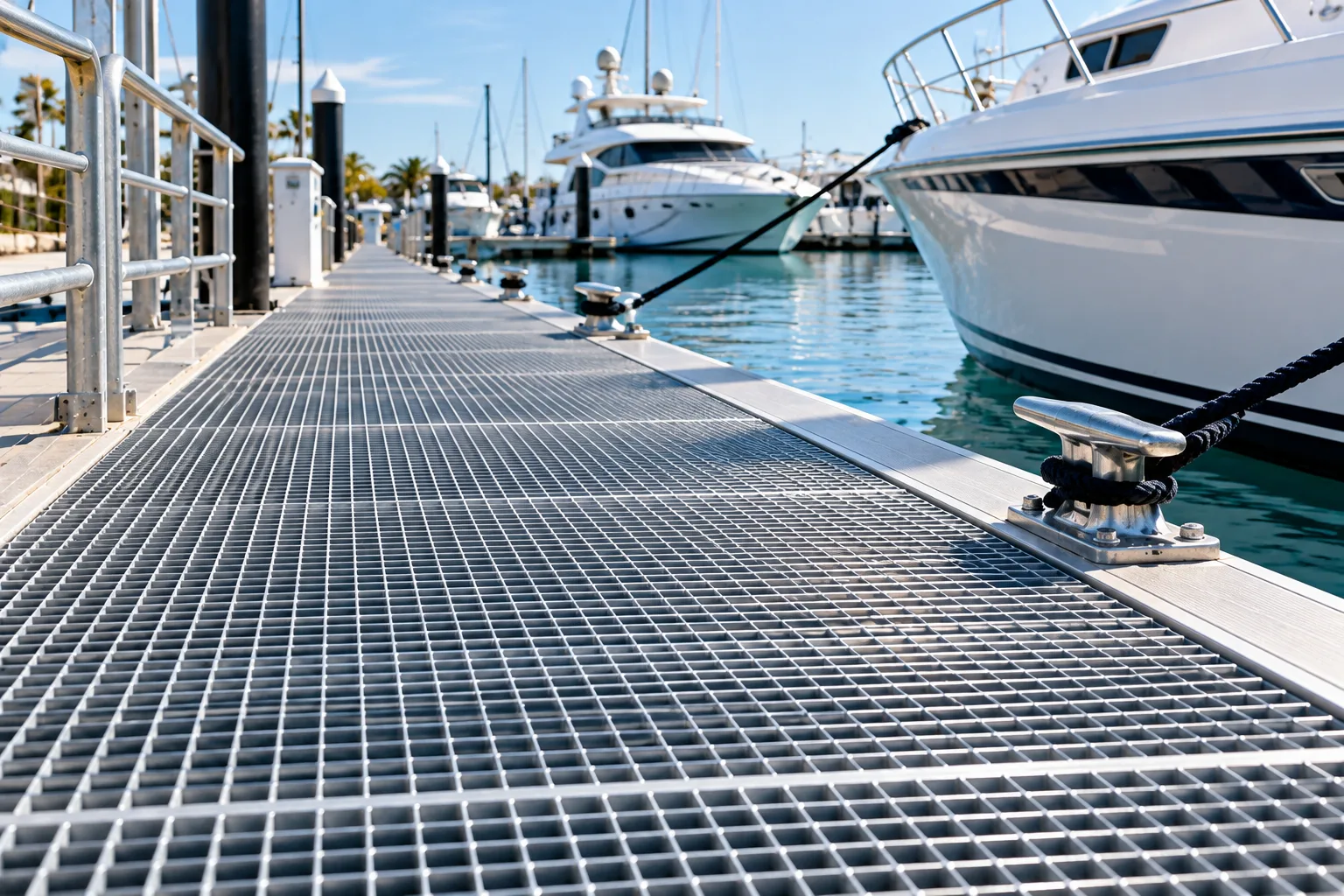
The best metal grate for decking depends on the application: bar grating is the strongest all-round choice for structural decking, while expanded metal and perforated metal suit lighter residential uses, and fiberglass or FRP pultruded grating wins where corrosion or electrical safety matters. For most outdoor decks, industrial platforms, and commercial walkways in the USA, welded or swage-locked steel bar grating with a hot-dip galvanized finish offers the strongest balance of durability, slip resistance, and cost. AMMS Global supplies grating products across these categories for US projects.
Choosing by Deck Type and Exposure
The right product changes once you account for weather, foot traffic, drainage, and whether the deck supports people, equipment, or vehicles. A pool deck needs different performance than a mezzanine walkway or a driveway drain cover.
Grating Type | Best For | Key Strength | Main Limitation |
Bar Grating | Structural decks, platforms, walkways | High load capacity, open drainage | Heavier, higher material use |
Expanded Metal | Residential decking, infill panels | One-piece construction, good grip | Lower span strength |
Perforated Metal | Decorative deck panels, screens | Precise hole patterns, clean look | Less open area for drainage |
Fiberglass Grating | Pools, chemical areas, wet decks | Corrosion-proof, non-conductive | Higher upfront cost, UV fade possible |
Grip Strut Grating | Ramps, stairs, oily or wet walkways | Serrated teeth for slip resistance | Debris can lodge in openings |
Bar Grating for Structural Decks
Bar grating is the workhorse of US decking. It is fabricated from load-bearing bars joined by cross rods, typically by welding, swage-locking, or press-locking. Standard panels commonly come in widths of 2, 3, or 4 feet, and manufacturers follow ANSI/NAAMM standards for load ratings and bar spacing.
For outdoor decks, hot-dip galvanized steel bar grating is the most common specification. The galvanizing provides long-term rust resistance without ongoing maintenance, and the open grid allows rainwater, snow, and debris to pass through rather than pooling on the surface. Serrated bar grating, where the top edge of each bearing bar is notched, adds traction in wet or icy conditions.
Platform Grating and Floor Grating are terms often used interchangeably with bar grating in industrial settings. The distinction is mostly contextual: platform grating refers to elevated work surfaces, while floor grating can mean any walkable metal deck, including trench covers and mezzanine flooring.
Expanded Metal and Perforated Metal for Lighter Decks
Expanded Metal starts as a solid sheet that is slit and stretched into a diamond-pattern mesh. Because it is formed from a single piece, there are no welds to fail, and the raised strands provide natural slip resistance. It works well for residential decking, stair treads, and infill panels, but it does not span as far as bar grating without additional support framing.
Perforated Metal is a solid sheet with holes punched in round, square, slotted, or hexagonal patterns. It drains less efficiently than expanded or bar grating because the open area is lower, but it offers a cleaner architectural look. Some designers use it for deck skirting, privacy screens, or decorative walkway panels where drainage is secondary.
Fiberglass and FRP Grating for Corrosive or Wet Decks
Fiberglass Grating and FRP Pultruded Grating solve problems steel cannot. Fiberglass will not rust, does not conduct electricity, and resists salt water, pool chemicals, and many industrial acids. That makes it a common choice for pool decks, marinas, water treatment plants, and food processing walkways.
The trade-off is structural. Fiberglass grating typically needs closer support spacing than steel for the same load, and it expands and contracts more with temperature swings. UV exposure can cause surface fading over time, though most manufacturers add UV inhibitors to the resin. For a residential deck far from salt water or chemicals, steel is usually the more practical choice.
Grip Strut Grating for Slip-Prone Areas
Grip Strut Grating is a specialized form of plank or walkway grating with a serrated, tooth-like surface. It is designed for ramps, stair treads, and work platforms where oil, grease, ice, or standing water create a fall hazard. The aggressive surface bites into footwear, but it is less comfortable for bare feet, so it is rarely used on residential decks. It belongs on industrial catwalks, loading docks, and outdoor stairways.
Practical Considerations Before You Order
Measure the actual clear opening, not the nominal deck size. Grating panels need bearing support on all four edges, and a panel cut too short will rattle or sag. Allow for thermal expansion on long runs, especially with aluminum or fiberglass.
Specify the finish before ordering. Bare steel is cheaper but will rust quickly outdoors. Hot-dip galvanizing is the standard outdoor finish, while stainless steel or aluminum suit coastal or chemical environments. For drainage grates over trenches, confirm the load class: a driveway grate must handle vehicle weight, while a patio grate only needs pedestrian loading.
One common mistake is choosing the lightest panel that meets the load chart. That works on paper, but lighter grating flexes underfoot, which feels unstable and accelerates fatigue cracking at the welds. A slightly heavier bar size or closer bar spacing usually pays off in long-term performance.
For projects that need a specific size, load rating, or material, requesting a quote with the panel dimensions, bar spacing, finish, and application details will get the most accurate specification. AMMS Global can help US buyers compare bar grating, expanded metal, fiberglass, and related decking products for their project.